What Your AI Should Do Before the Meeting Starts
What Your AI Should Do Before the Meeting Starts
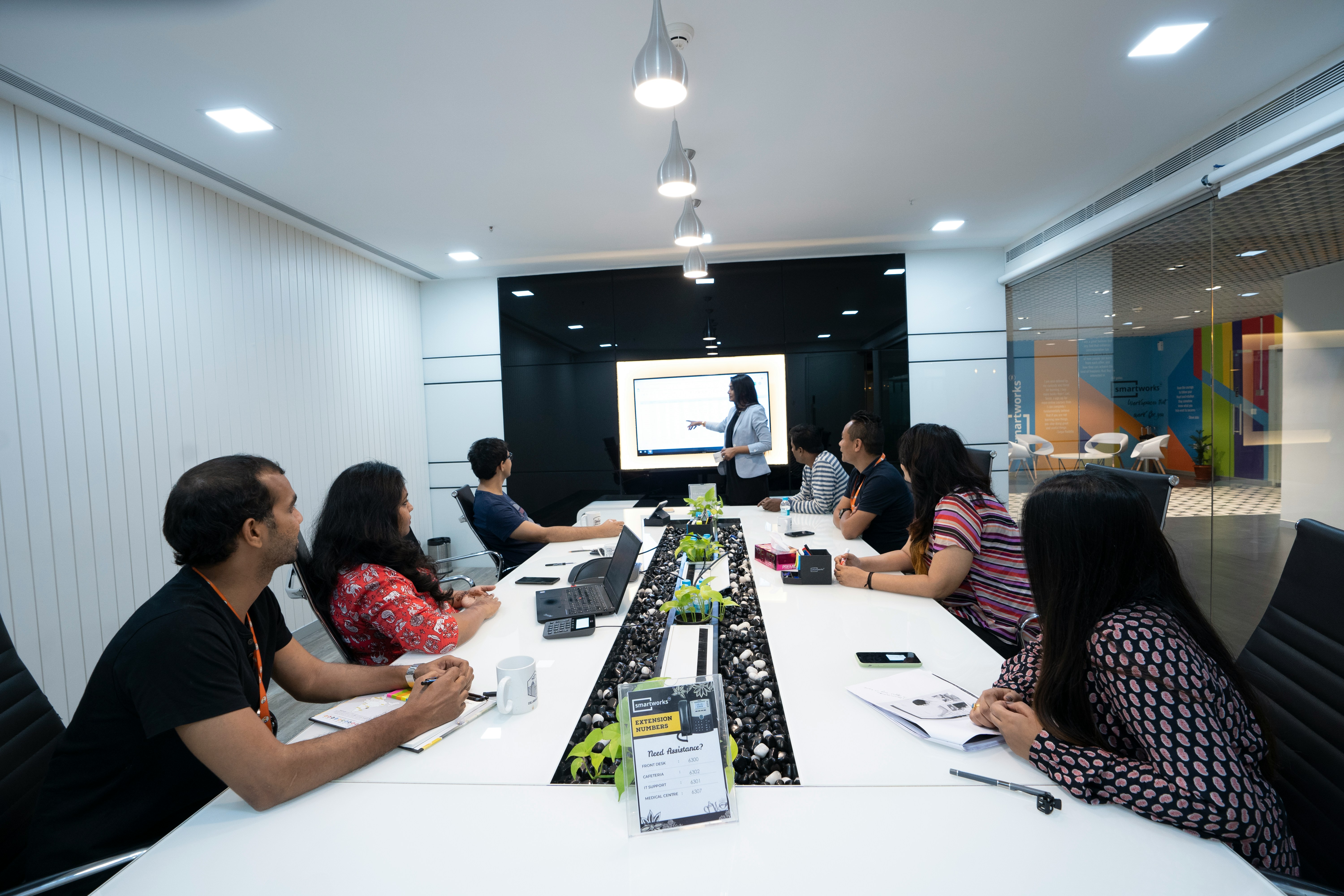
Picture a Monday morning sprint planning session. It's supposed to start at 10. At 9:50, three people are skimming docs they haven't looked at since last Tuesday. Someone's pulling up the ticket board. Someone else is scrolling back through last week's retro notes to remember what that one open question was. The meeting lead is copying a status update from one doc and pasting it into the agenda in another.
By 10:05, you're actually in the meeting. But the first fifteen minutes are still just catching everyone up to the same starting point.
This is the kind of work that no one thinks of as a problem because it's so routine. But routine doesn't mean cheap. Fifteen minutes across eight people, every week, adds up faster than it should.
The Prep Work That Never Gets Automated
There's a category of work that lives just before the meeting: the gathering, the summarizing, the cross-referencing. It's not complicated work. It's just repetitive and time-consuming in proportion to how many pieces need to come together.
For sprint planning: someone needs the current ticket backlog, the capacity for the week, the open blockers from last sprint, and a rough sense of what's been deprioritized and why. For a design review: someone needs the latest design files, the original brief they were responding to, and the thread of feedback from the last round. For a weekly team sync: someone needs to know what shipped, what slipped, and what's at risk.
The answers to these questions exist. They're in your workspace. The problem is that pulling them together in time for the meeting, in a form that's actually useful, is just annoying enough that it doesn't always happen — and annoying enough that when it does, it pulls someone out of their actual work to do it.
That's the job Closot's AI agents were built for.
What a Pre-Meeting Agent Actually Does
A pre-meeting agent in Closot is connected to the specific workspace objects that are relevant to a recurring meeting. It knows which project board to check, which linked docs to pull from, which decision log to surface.
Before the meeting, it drafts a prep brief. Not a generic summary — a brief shaped to the purpose of the meeting. For sprint planning, that looks different than for a quarterly review. You configure the shape once. After that, it generates it on schedule.
What comes out isn't perfect every time — it doesn't need to be. The point isn't to replace judgment. It's to handle the context-gathering so that whoever's running the meeting can spend the twenty minutes before it making decisions about the agenda rather than hunting for inputs.
The brief lands in the shared doc. People read it beforehand. The meeting starts at the part that actually requires everyone in the room.
What Changes When Prep Is Handled
The obvious change: meetings get shorter. Not because you've imposed a time limit, but because you've compressed the catch-up phase. When everyone walks in having read the same brief, you skip the first fifteen minutes of "let me just share my screen and pull this up."
The less obvious change: the quality of preparation normalizes. Not everyone will do thorough prep every week. But when the prep brief shows up automatically and it's already well-organized, more people read something before the meeting than would have otherwise. The floor goes up even if the ceiling stays the same.
There's also something that happens to accountability. When the brief consistently documents what was planned and what actually happened, it becomes harder to let things drift without noticing. A task that's been "in progress" for three weeks shows up as in progress for three weeks. The meeting becomes a place where that gets named, not a place where it stays invisible.
The Meetings Worth Doing This For First
Not every meeting needs this. One-off discussions, brainstorms, informal check-ins — those don't have predictable inputs to gather.
The meetings that benefit most are the recurring ones with a consistent structure: sprint planning, sprint retros, design reviews, weekly team syncs, quarterly planning kickoffs. These have the same shape every time. The inputs are different each cycle, but where to find them isn't. That predictability is exactly what makes an agent useful — it knows where to look without being told.
If you run a meeting that always starts with someone saying "let me just pull that up," that meeting is a good candidate.
Before the Meeting Is Where Most of the Time Goes
Here's the thing that's easy to miss: the thirty minutes before a meeting are some of the most fragmented, inefficient minutes in the workweek. Multiple people in partial focus, hopping between tabs, reformatting things for sharing, trying to remember context they haven't touched in a week.
You can't automate judgment. But you can automate the context-gathering that judgment depends on. When an agent handles that, the humans in the meeting are ready to use the time well — instead of spending the first part of it catching up.
That's a small shift that compounds, meeting by meeting, week by week.
Closot's AI agents connect to your workspace so meeting prep happens automatically — the right context, ready before anyone has to ask for it. See how it works.